Federal Reserve Survey Shows Homebuying Sentiment Improving
The Federal Reserve Bank of New York's Survey of Consumer Expectations showed a 3.4-point uptick in homebuying intent, the highest reading since 2022.
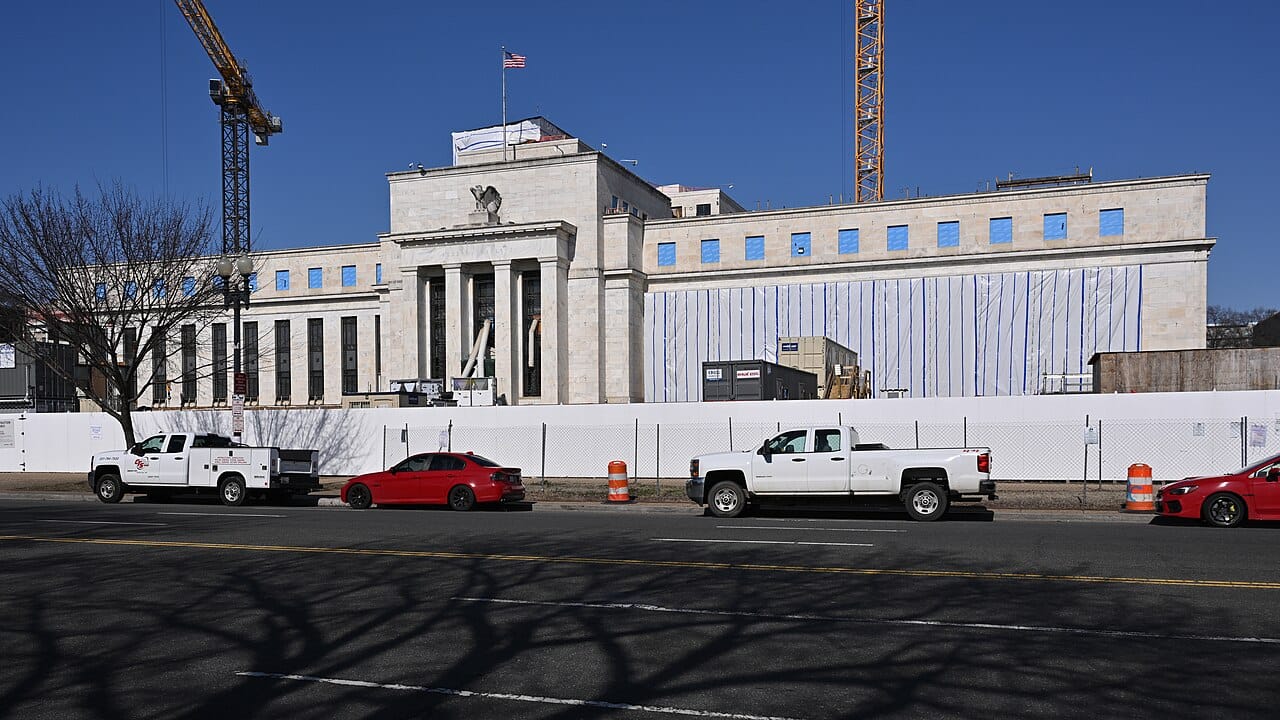
Homebuying intent among U.S. consumers rose 3.4 percentage points to 14.7% in March, the highest reading since June 2022, according to the Federal Reserve Bank of New York's Survey of Consumer Expectations. The improvement reflects broader consumer perception that housing affordability has stabilized, though overall intent remains well below the long-run average of approximately 21%.
The survey, conducted monthly among a rotating panel of 1,300 household heads, asks respondents about the likelihood of purchasing a home in the next 12 months. Respondents rate their likelihood on a 0-to-100 scale, with the aggregate mean figure tracked as the Fed's primary indicator.
"The March reading is the first time since 2023 that consumer homebuying intent has moved meaningfully in either direction," said Rajashri Chakrabarti, head of the Equitable Growth Studies division at the New York Fed. Chakrabarti said the improvement aligns with stabilization in the share of respondents expecting major rate drops.
The expected path of mortgage rates moderated in the March survey. Median expected 30-year mortgage rate one year from now came in at 6.18%, down from 6.42% in February. The share of respondents expecting rates to fall in the next 12 months reached 38%, the highest in five years. The share expecting rates to rise dropped to 16%.
Among renters, the share who said they expect to purchase a home within five years rose to 24% from 20% in December, reversing a multi-year downtrend. First-time buyer intent among younger respondents (ages 25-34) showed the largest gains, up 4.7 percentage points.
Homeowners responded more cautiously. The Fed survey found that 27% of homeowners expected their home's value to rise over the next 12 months, down from 31% in December. Expected annual home price appreciation came in at 2.8%, compared with 3.4% in December and 4.1% a year earlier.
Fannie Mae's separate Home Purchase Sentiment Index aligned with the Fed survey direction. Fannie Mae's March reading of 72.6 was the highest since June 2023, with notable improvements in the components measuring mortgage rate expectations and household income stability.
The sentiment improvement has not yet translated fully into transaction volume. National existing home sales in March came in at 4.38 million annualized, up from 3.99 million in February but still historically subdued. The gap between sentiment indicators and actual transactions reflects structural inventory constraints and continued locked-in first-mortgage rates that keep many potential sellers sidelined.
"We are seeing buyer willingness return faster than seller willingness," said Mark Fleming, chief economist at First American Financial. Fleming said the sentiment-to-transaction gap typically narrows six to twelve months after rates stabilize, suggesting improved transaction volumes could materialize more visibly in the latter half of 2026.