Mortgage Rates Tick Up as Fed Signals Patience on Rate Cuts
The average 30-year fixed mortgage rate moved higher after Fed officials indicated no urgency to lower borrowing costs.
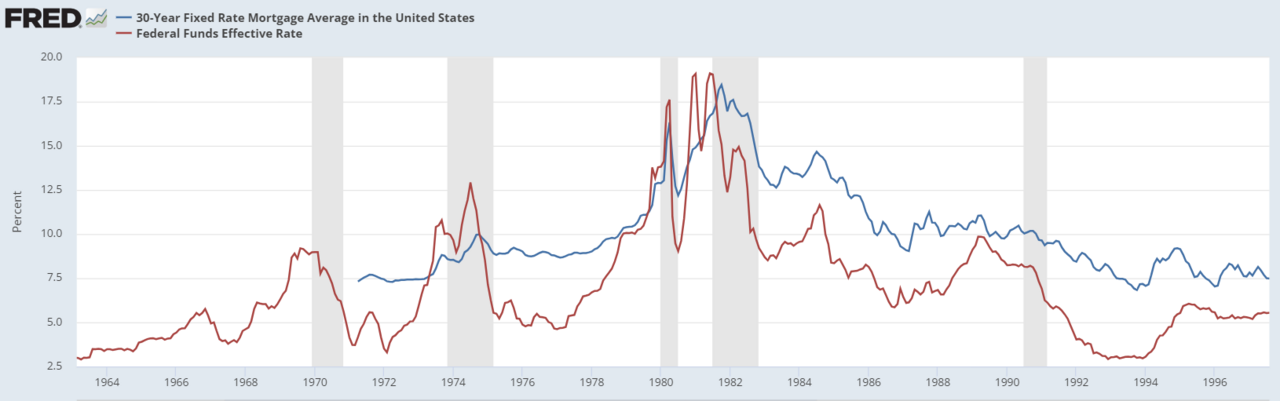
The average rate on a 30-year fixed-rate mortgage climbed to 6.78% this week, up from 6.64% seven days earlier, after Federal Reserve officials signaled reluctance to move quickly on rate cuts. The latest figures, released by Freddie Mac on Thursday, mark the third consecutive weekly increase and leave rates roughly 35 basis points above the cycle low recorded in early March.
The uptick followed remarks from Fed Chair Jerome Powell and several regional bank presidents who emphasized that inflation remains above the central bank's 2% target. In a speech in Chicago, Powell said policymakers are "in no hurry" to adjust the federal funds rate until incoming data provide greater confidence on the disinflation trend. Fed Governor Christopher Waller echoed that view in separate remarks, pointing to sticky services inflation as a reason for caution.
"Buyers who had been watching for a drop below 6.5% are now recalibrating expectations for the spring season," said Sam Khater, Freddie Mac's chief economist, in the weekly Primary Mortgage Market Survey release. Khater added that rates are "likely to move in a narrow range" until the Fed's June meeting at the earliest.
The Mortgage Bankers Association reported that application volume for home purchases fell 4.1% week-over-week, seasonally adjusted, while refinance applications dropped 6.7%. Joel Kan, the association's deputy chief economist, said the pullback reflects renewed sensitivity to even modest rate increases among borrowers who had been waiting on the sidelines.
Economists surveyed by Bloomberg now expect the Fed to hold rates steady at the May meeting, with the first cut potentially delayed to July. Futures markets are pricing in roughly 50 basis points of easing through the end of 2026, down from 75 basis points implied a month ago. That shift has flowed through to the 10-year Treasury yield, which closed the week at 4.31%.
For homebuyers, the increase translates to roughly $35 more per month on a $400,000 loan compared with the prior week. Industry analysts say the bigger impact is psychological: the move above 6.75% has disrupted budgeting assumptions for buyers who had locked pre-approvals at lower rates. Lock-in effects are also keeping existing owners from listing, further tightening resale inventory heading into the traditional spring selling window.