Multifamily Permits Slide 12% as Financing Tightens
Multifamily permits for buildings with five or more units declined 12% year-over-year in the first quarter as financing conditions remained tight.
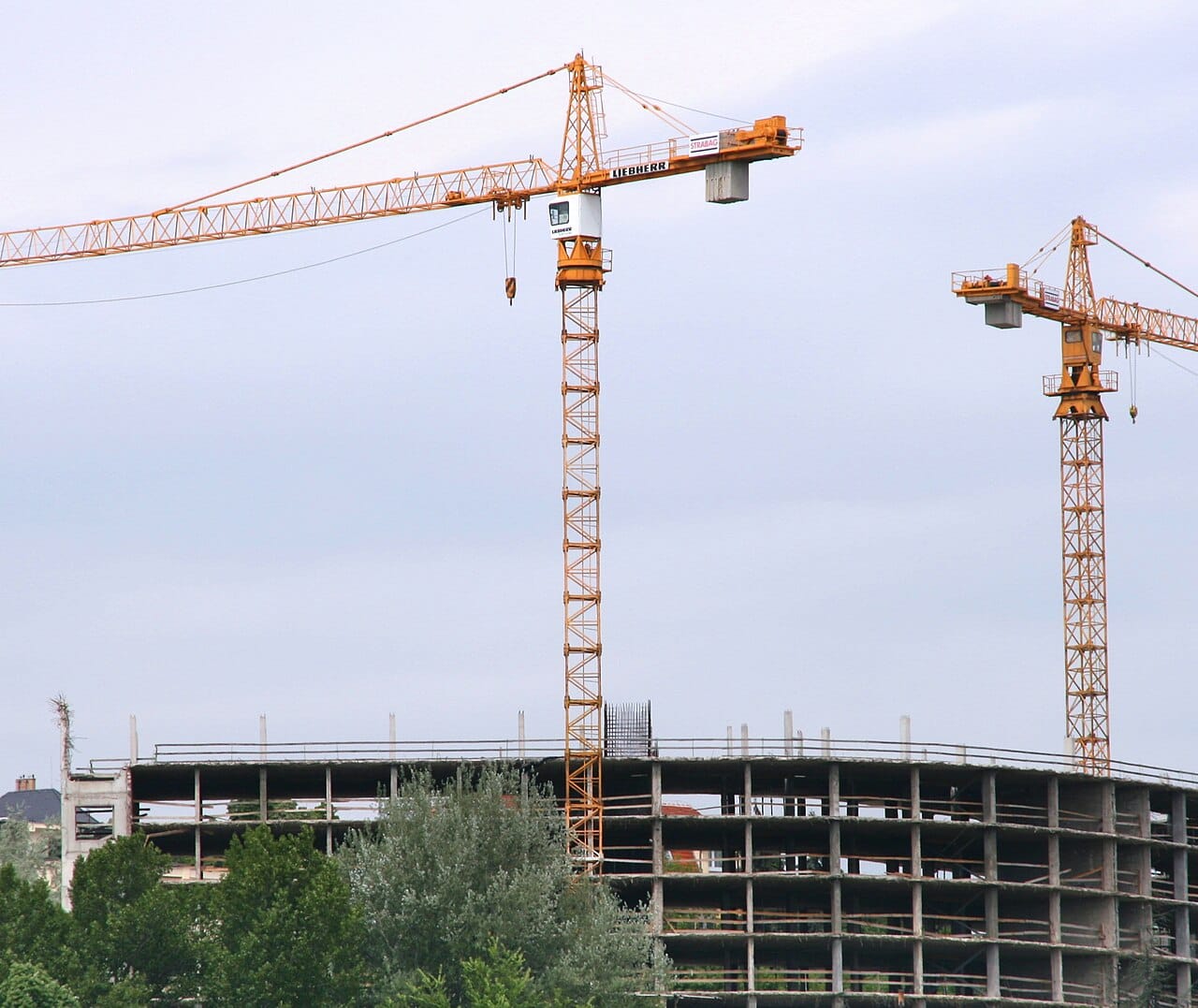
Multifamily permits for buildings with five or more units declined 12% year-over-year in the first quarter of 2026, falling to an annualized rate of 421,000 in March, according to Census Bureau and HUD data. The decline is the steepest quarterly contraction since 2011 and reflects continued tightness in construction financing.
Markets that drove pandemic-era multifamily booms recorded the sharpest pullbacks. Phoenix multifamily permits fell 47% year-over-year in Q1. Austin declined 41%, and Nashville 38%. Dallas-Fort Worth, which historically led absolute multifamily permit volumes, saw a 22% year-over-year reduction despite still ranking first among metros.
"The pipeline is effectively right-sizing for the demand outlook," said Caitlin Sugrue Walter, vice president of research at the National Multifamily Housing Council. Walter said many 2022-era projects never reached ground-breaking because of the subsequent compression of debt availability and the rise in required equity contributions.
Construction financing for multifamily has become both more expensive and more selective. Regional banks, which had been the largest lenders for mid-size multifamily construction, have generally pulled back. Trepp data showed Q1 2026 construction loan originations from regional banks down 38% from the peak quarter in 2022.
HUD's FHA multifamily program has filled some of the gap. FHA Section 221(d)(4) construction loan endorsements reached $5.9 billion in fiscal year 2025, up 47% from fiscal 2023. But the program's longer processing times and more extensive documentation requirements mean it cannot fully replace regional bank capacity.
Institutional debt funds have also stepped in. Blackstone Real Estate Debt Strategies, KKR Real Estate Finance, and BGO Real Estate Debt Solutions have all expanded multifamily construction lending capacity. Dan Walsh, CEO of Walker & Dunlop Investment Partners, said debt funds now represent "the dominant source" of senior and stretched-senior capital for merchant-build multifamily projects under development.
The reduced pipeline will eventually tighten rental markets. Yardi Matrix projected 2027 multifamily deliveries will fall to 298,000 units, down from 458,000 in 2025, with 2028 deliveries likely dropping to 215,000. That supply reduction, coupled with continued household formation, sets up rent acceleration in most markets by late 2027 per the firm's forecasts.
Developers who can assemble capital now are positioned to benefit from the emerging supply gap. Greystar, Related Companies, and Wood Partners all announced new merchant-build platforms in Q1, targeting deliveries in 2028 and 2029 when competitive supply will be substantially thinner. Bob Faith, CEO of Greystar, said the firm expects "better-than-typical rental growth" from projects delivering in that window.