Phoenix Rental Market Cools as New Multifamily Opens
Phoenix apartment rents fell 3.3% year-over-year in March as 28,000 new units delivered in the past 18 months and vacancy climbed to 9.4%.
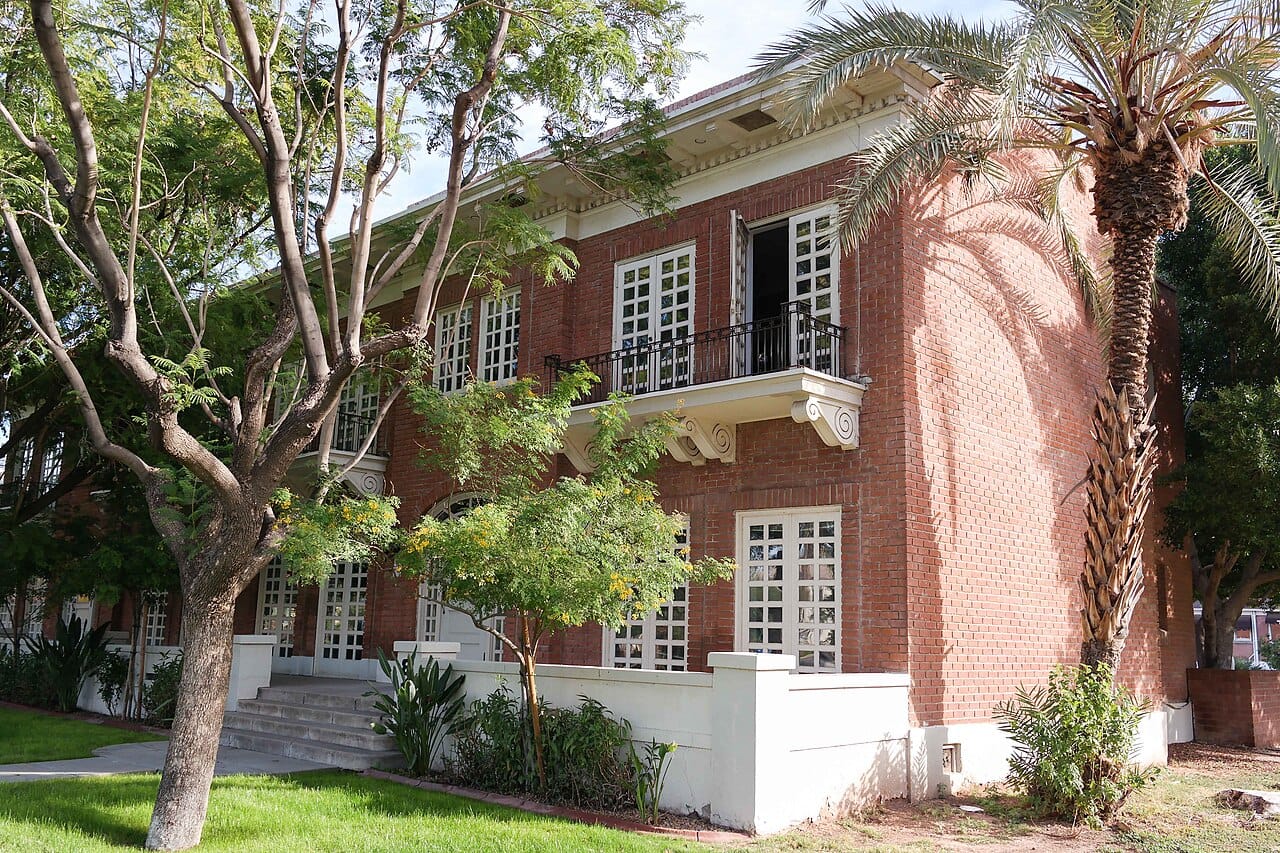
Phoenix apartment rents fell 3.3% year-over-year in March as a wave of new multifamily supply overwhelmed demand growth. The metro added 28,000 multifamily units over the 18 months ending March, per Yardi Matrix, lifting vacancy to 9.4% from 6.8% a year earlier.
Apartment List's March report placed the median Phoenix asking rent at $1,412, down from $1,461 in March 2025. Downtown and Tempe submarkets showed the steepest declines, with same-store asking rents down 5.1% and 4.7% respectively. West Valley submarkets, including Glendale and Peoria, fell 2.6%.
"Phoenix built ahead of demand through 2022 and 2023, and those projects are now delivering into a market where job growth has normalized," said Carl Whitaker, director of research at RealPage. Whitaker said leasing velocity in newer lease-up communities has slowed to roughly seven units per month from a 2022 peak of 12.
Employment data from the Arizona Office of Economic Opportunity showed Phoenix metro added 42,000 jobs in the 12 months ending February, down from 88,000 the prior period. Semiconductor-sector investment tied to TSMC's North Phoenix expansion remains a structural positive, but hiring from the company and its supplier network has come in below initial forecasts.
Concessions have expanded to nearly universal use in Class A buildings. Apartment List noted that 92% of Phoenix Class A properties offered at least two months of free rent in the first quarter, and 46% offered three months or more. Effective rents after concessions fell 5.8% year-over-year.
Single-family rents held up better than apartment rents. CoreLogic's Single-Family Rent Index showed Phoenix single-family asking rents rose 1.4% year-over-year in February. Invitation Homes and AMH reported their Phoenix portfolios at 95% and 94% occupancy, respectively, on their most recent earnings calls.
Developers are scaling back. Mark Stapp, director of the Master of Real Estate Development program at Arizona State University, said construction starts in Phoenix metro fell 47% in 2025. Stapp expects the rent correction to persist through mid-2026 before the reduced pipeline begins to tighten the market.
For renters, conditions have not been this friendly since before the pandemic. RealPage estimates that a Phoenix renter today on a typical Class B two-bedroom unit pays roughly $190 per month less in effective rent than the same renter would have in early 2022. The savings may prove short-lived: population growth in the metro continued in 2025 per Census Bureau estimates, suggesting demand will return once supply normalizes.