Rental Cap Rates Compress in Major Metros as Demand Holds
Prime stabilized multifamily cap rates compressed 15 basis points in six top metros during the first quarter as investor demand firmed.
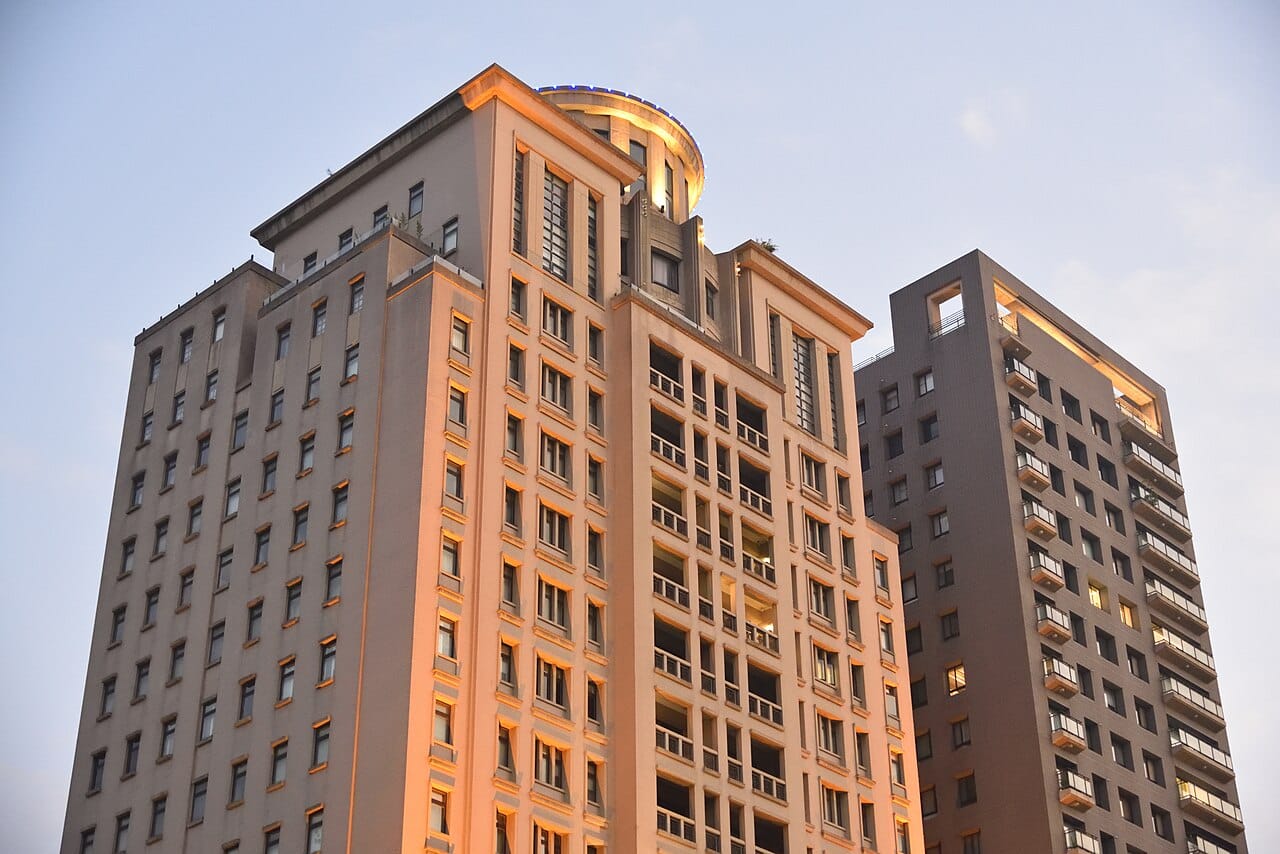
Prime stabilized multifamily cap rates compressed 15 basis points in six major U.S. metros during the first quarter, reflecting firming investor demand and modest loosening of debt capital markets, according to CBRE's quarterly capital markets report released April 10.
The six metros with the sharpest compression were Boston, New York, Washington D.C., Chicago, Dallas-Fort Worth, and Houston. CBRE's composite prime multifamily cap rate in those six metros averaged 5.18% at the end of March, down from 5.33% three months earlier. The national average for prime multifamily was 5.29%, down 10 basis points.
"What we are seeing is a recalibration as investors get more comfortable with the broader macro path," said Brian McAuliffe, president of CBRE Capital Markets. McAuliffe cited greater clarity on Federal Reserve policy, the narrower spread between cap rates and Treasury yields, and reduced risk premium demand as drivers.
Multifamily transaction volume reached $31.2 billion in the first quarter, up 18% from the same quarter in 2025, per MSCI Real Capital Analytics. The quarter's total was the strongest first-quarter volume since 2022. Deal count rose 11%, with average deal size up 6% as larger investors returned to the market.
Debt markets continued to improve. Commercial Mortgage-Backed Securities (CMBS) issuance for multifamily totaled $6.1 billion in Q1, up 35% year-over-year, per Trepp data. GSE (Fannie Mae and Freddie Mac) originations volumes have held at levels consistent with the agencies' 2026 multifamily caps of $73 billion apiece, with Fannie Mae reporting $11.2 billion and Freddie Mac $11.8 billion through the first quarter.
Sun Belt markets with larger multifamily supply overhangs continued to face cap rate expansion. Phoenix, Austin, Atlanta, and Jacksonville all saw cap rates rise 10 to 20 basis points during the quarter. The deliveries wave continues to weigh on near-term rent growth in those markets, even as fundamentals improve in most others.
Institutional capital led the quarter's returning activity. Blackstone, Cortland, Greystar, and MAA were among the most active named buyers. Cortland's recent acquisition of a 4,600-unit portfolio in the Midwest from a regional operator was the quarter's largest single transaction, CBRE reported.
Near-term outlook points to further activity if debt conditions hold. Jim Costello, executive director at MSCI Real Capital Analytics, said second-quarter volume typically exceeds first-quarter volume seasonally, and he expects the 2026 full-year total to reach $135 to $145 billion, compared with $128 billion in 2025. Sustained employment growth and the tapering of new-construction deliveries should together support cap rate stability through 2026.