Reverse Mortgage Volumes Hit 15-Year High Among Boomers
HECM reverse mortgage endorsements reached a 15-year high in Q1 2026 as aging baby boomers increasingly tapped home equity for retirement income.
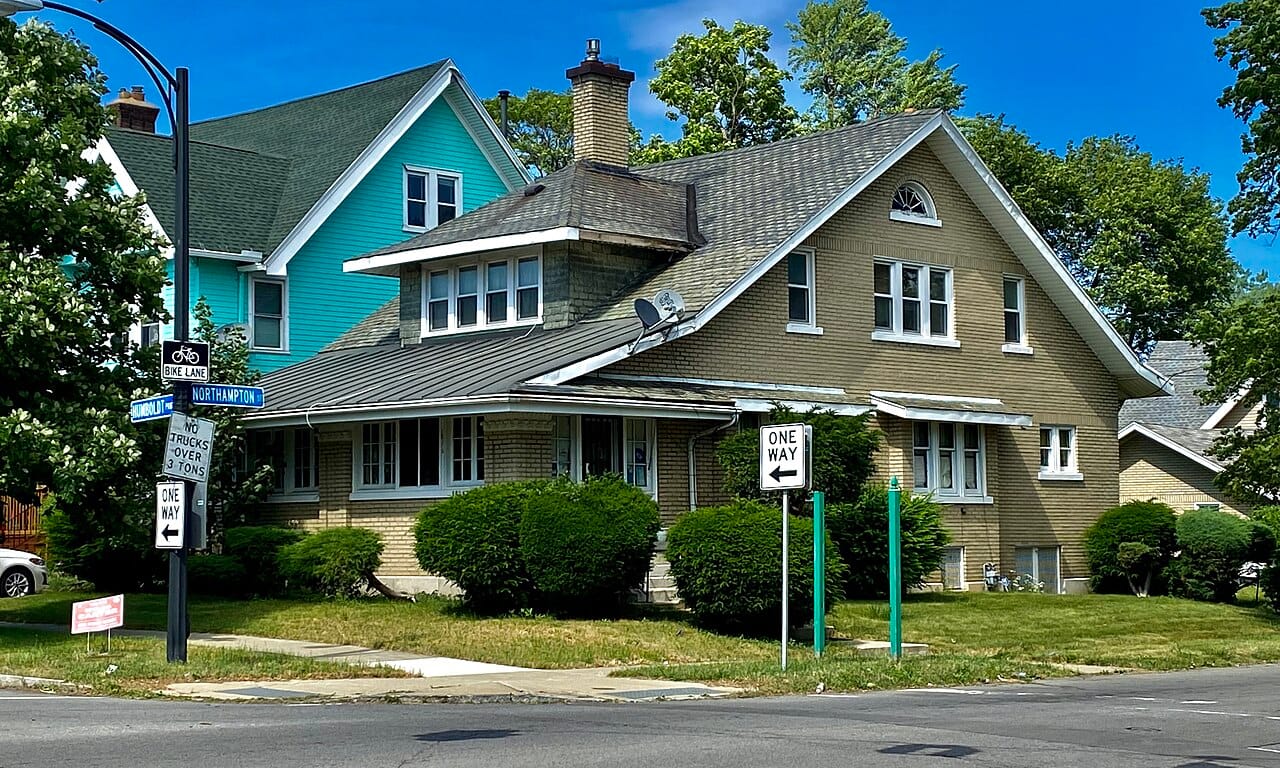
Home Equity Conversion Mortgage (HECM) endorsements reached a 15-year high in the first quarter of 2026 as aging baby boomers increasingly tapped home equity for retirement income. The FHA-insured program endorsed 18,400 reverse mortgages during the quarter, up 29% year-over-year per HUD data.
The increase reflects a confluence of factors: a maturing baby boomer cohort (the youngest of whom turned 62 in 2026, the HECM minimum age), elevated home-equity balances, and continued inflation-related pressure on fixed retirement incomes. Reverse mortgages allow homeowners 62 or older to convert home equity to tax-free funds without monthly payments, with repayment deferred until the borrower moves, sells, or dies.
"Boomers increasingly view reverse mortgages as a deliberate retirement planning tool rather than a last-resort financial product," said Steve Irwin, president of the National Reverse Mortgage Lenders Association. Irwin said changes made to the HECM program in 2017, including financial assessment and required counseling, have improved product quality and reduced default incidents.
Average age of HECM borrowers declined slightly to 73.8 years in Q1 from 74.9 a year earlier, reflecting increased interest from younger eligible borrowers. Average loan proceeds reached $198,400, with a median home value at origination of $468,000. The share of borrowers selecting line-of-credit distributions rather than lump-sum advances rose to 72% from 65% a year earlier, indicating more strategic financial planning rather than immediate cash needs.
Average loan-to-value ratio on HECM endorsements stood at 42.4% in Q1, comfortably below the program's structural maximums. The HUD Principal Limit Factor table determines available loan proceeds based on borrower age and the expected interest rate; elevated rates in the current environment have slightly reduced available proceeds compared with the 2021 peak, but rising home values have partially offset the impact.
Lender participation remains concentrated. Finance of America Reverse, American Advisors Group (AAG), and Longbridge Financial together account for roughly 62% of HECM volume. Mutual of Omaha Reverse Mortgage has grown share in recent quarters, reaching approximately 9% of Q1 volume. Traditional banks generally exited the HECM market in the mid-2010s.
Proprietary (non-FHA) reverse mortgage volumes also grew. Finance of America Reverse reported $412 million in proprietary HomeSafe originations in Q1, up 37% year-over-year. The proprietary products are structured for higher-value homes above HECM loan limits or for specific demographic niches. Proprietary products have grown from under 10% of total reverse mortgage volume in 2022 to approximately 16% in Q1 2026.
Consumer education remains a focus area. HUD requires all HECM applicants to complete counseling with an HUD-approved housing counseling agency before proceeding. The Consumer Financial Protection Bureau has separately published guidance warning seniors about common reverse-mortgage misunderstandings. CFPB Director Rohit Chopra said in February that the agency "will continue to monitor the reverse mortgage market for abusive practices, particularly in connection with rising endorsement volumes."