Texas Property Tax Reform Faces Court Challenges
A Travis County district court on April 10 denied the State of Texas's motion to dismiss litigation challenging Proposition 4, the 2023 property tax reform.
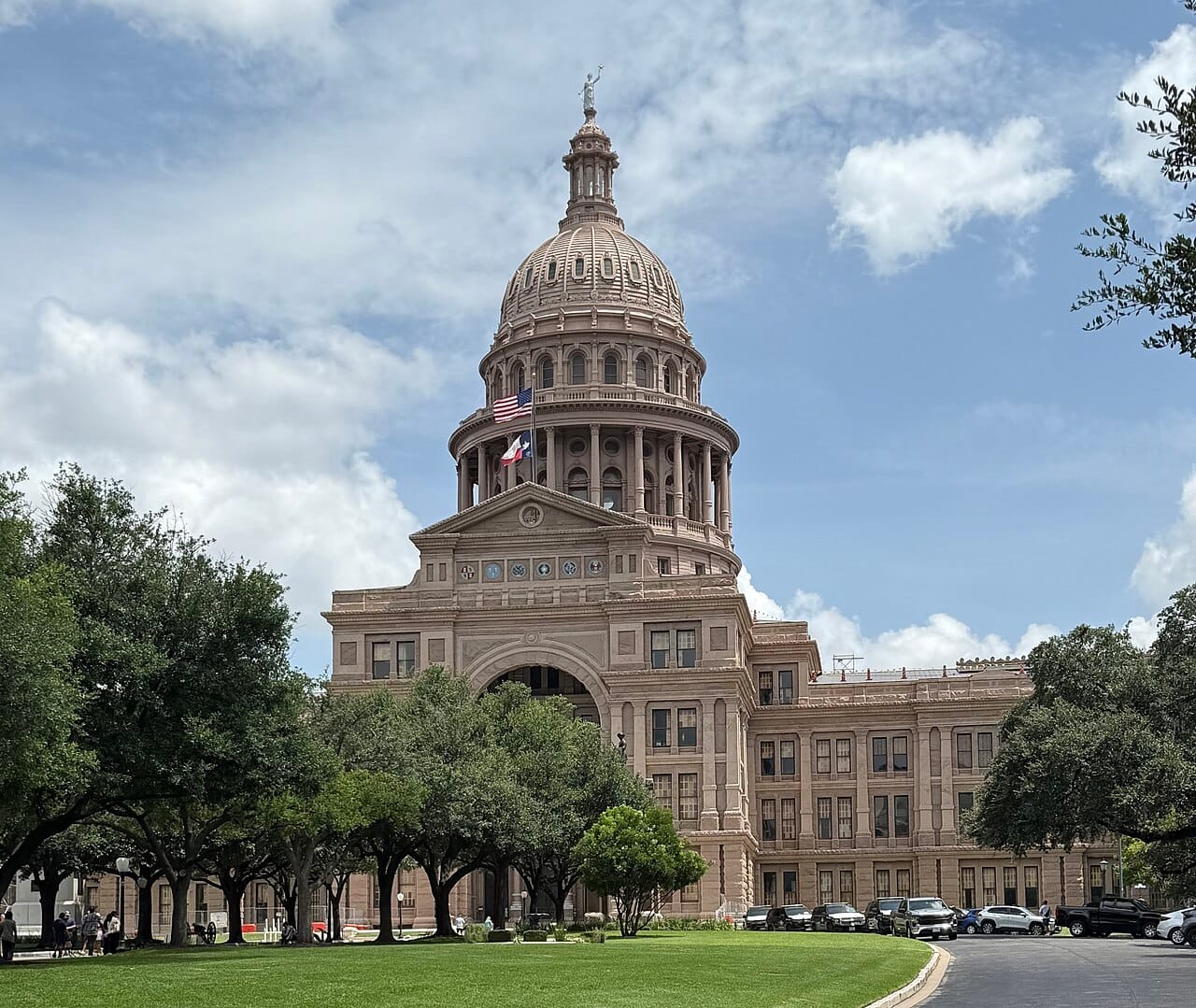
A Travis County district court on April 10 denied the State of Texas's motion to dismiss litigation challenging Proposition 4, the 2023 constitutional amendment that substantially reformed property tax structure in the state. The ruling allows the case, titled Independent School District Coalition v. State of Texas, to proceed toward summary judgment arguments scheduled for July.
Proposition 4, approved by Texas voters in November 2023 with 83% support, raised the school district homestead exemption from $40,000 to $100,000 and established a 20% appraisal cap on non-homestead residential properties valued below $5 million. The reform was financed by a $12 billion commitment of state general revenue funds to compensate school districts for lost local property-tax collections.
"The state has a legitimate interest in shifting property-tax structure, but the plaintiffs will need to prove that the state's compensation formulas actually make districts whole," said Professor Charles Silver of the University of Texas School of Law. Silver said Texas school finance cases have a history of complex technical arguments, and the current case will likely extend over multiple years.
The plaintiff coalition, representing 38 Texas independent school districts, argues that the state's compensation methodology systematically underfunds districts with above-average property-value growth. Districts in fast-growing parts of metropolitan Houston, Dallas-Fort Worth, and Austin have claimed the largest alleged shortfalls.
State officials have defended the compensation methodology. Glenn Hegar, Texas Comptroller of Public Accounts, said in a statement after the Tuesday ruling that the state "remains committed to fully implementing Proposition 4 as the voters intended." Hegar did not comment on the substance of the ruling.
The litigation has implications for homeowners and investors who structured purchase decisions around the reform's tax savings. The typical homestead property in Harris County (Houston) saved approximately $1,260 in school property taxes in 2024 and 2025 under Proposition 4. Investors in smaller non-homestead properties received approximately $400 to $600 in average savings per property under the 20% appraisal cap.
Should the plaintiffs prevail, relief could include adjusted compensation formulas, retroactive payments to affected districts, or court-ordered reconsideration of the tax-cap provisions. An outright invalidation of Proposition 4 appears unlikely given the voter approval and funding mechanisms, but particular provisions could be reformed.
For commercial real estate in Texas, the reform's treatment of properties above the $5 million threshold remains unchanged. Those properties continue to face uncapped appraisal growth, contributing to rising commercial property-tax bills that investor advocates have cited as a meaningful cost pressure. The Texas Realtors Commercial Council has not joined the current litigation but has advocated separately for additional non-homestead relief.