Zoning Reform Passes in Minneapolis, Opening Single-Family Lots
Minneapolis adopted a new citywide zoning code allowing up to four units on formerly single-family parcels, expanding on the landmark 2018 reforms.
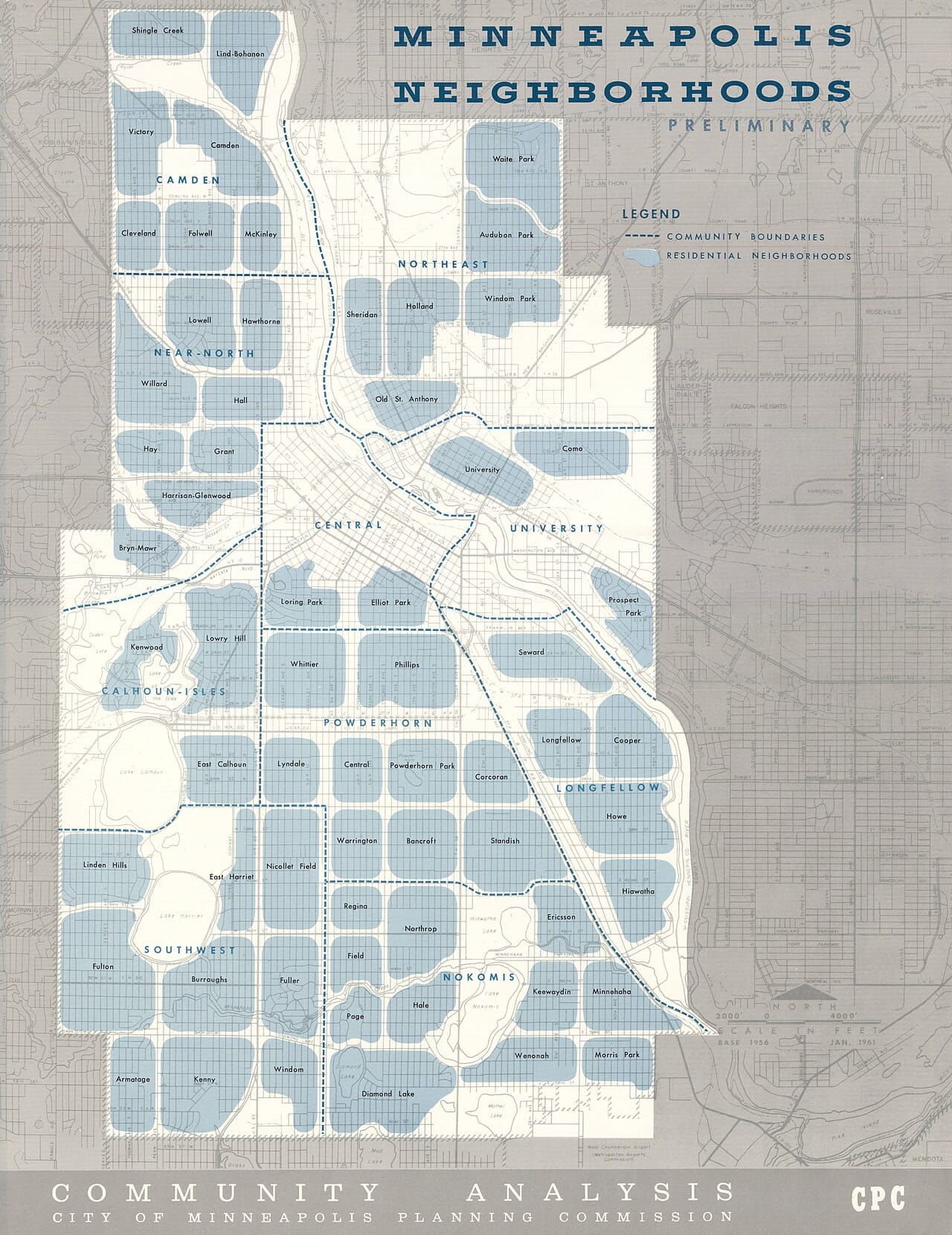
The Minneapolis City Council on April 14 adopted a new citywide zoning code that allows up to four dwelling units on parcels previously zoned exclusively for single-family homes. The 11-1 vote builds on the city's landmark 2018 reforms, which eliminated single-family-only zoning and permitted up to three units per lot.
The updated code, titled Minneapolis 2040 Zoning 3.0, also removes off-street parking requirements from most residential districts, reduces minimum lot-size standards, and adjusts the rear-yard setback rules to facilitate ADU construction. City planning staff estimate the combined changes add capacity for 24,000 additional housing units over 15 years, beyond what the 2018 reforms enabled.
"Minneapolis continues to test whether zoning changes can translate into housing at scale," said Emily Hamilton, senior research fellow at the Mercatus Center at George Mason University. Hamilton has studied the outcomes of the 2018 reforms and said the city had produced roughly 2,700 new units that would not have been permissible under the prior code, with construction concentrated in the city's southern and western residential neighborhoods.
Mayor Jacob Frey signed the ordinance on April 16 with an effective date of July 1, 2026. Frey called the reform "the next chapter" of the city's affordability strategy and said staff would present an expedited-review process for projects using the new allowances in May.
Critics pointed to implementation challenges. Carol Becker, a former Hennepin County commissioner and opponent of the 2018 reforms, said the ordinance risks hollowing out neighborhood character and has not addressed rising construction costs that have limited actual development even under existing allowances. Becker is part of a citizen group preparing legal challenges.
Minneapolis housing production data from 2019 through 2024, under the 2018 reforms, showed that duplex and triplex construction accounted for less than 4% of total permitted units citywide. The bulk of new production has come from multifamily mid-rise projects in transit corridors. Still, urbanists argue the reform created a template for other jurisdictions.
Other cities have followed similar approaches. Oregon's HB 2001 mandated statewide duplex-by-right zoning in 2019. California's SB 9 permitted lot splits and duplex conversions in 2021. New York City Mayor Eric Adams proposed revised zoning changes in February that would permit accessory dwelling units citywide, pending City Council approval.
Economist Edward Glaeser of Harvard University, speaking at a Minneapolis Federal Reserve housing conference in March, said that incremental zoning reform produces incremental results, and urged cities to continue iterating. Glaeser cited Minneapolis's long-horizon approach as a durable model likely to outperform one-time legislative waves.