Miami Condo Inventory Surges as New Safety Rules Take Effect
Miami condo inventory rose 48% year-over-year in March as Florida's post-Surfside structural inspection requirements pushed older-building owners to sell.
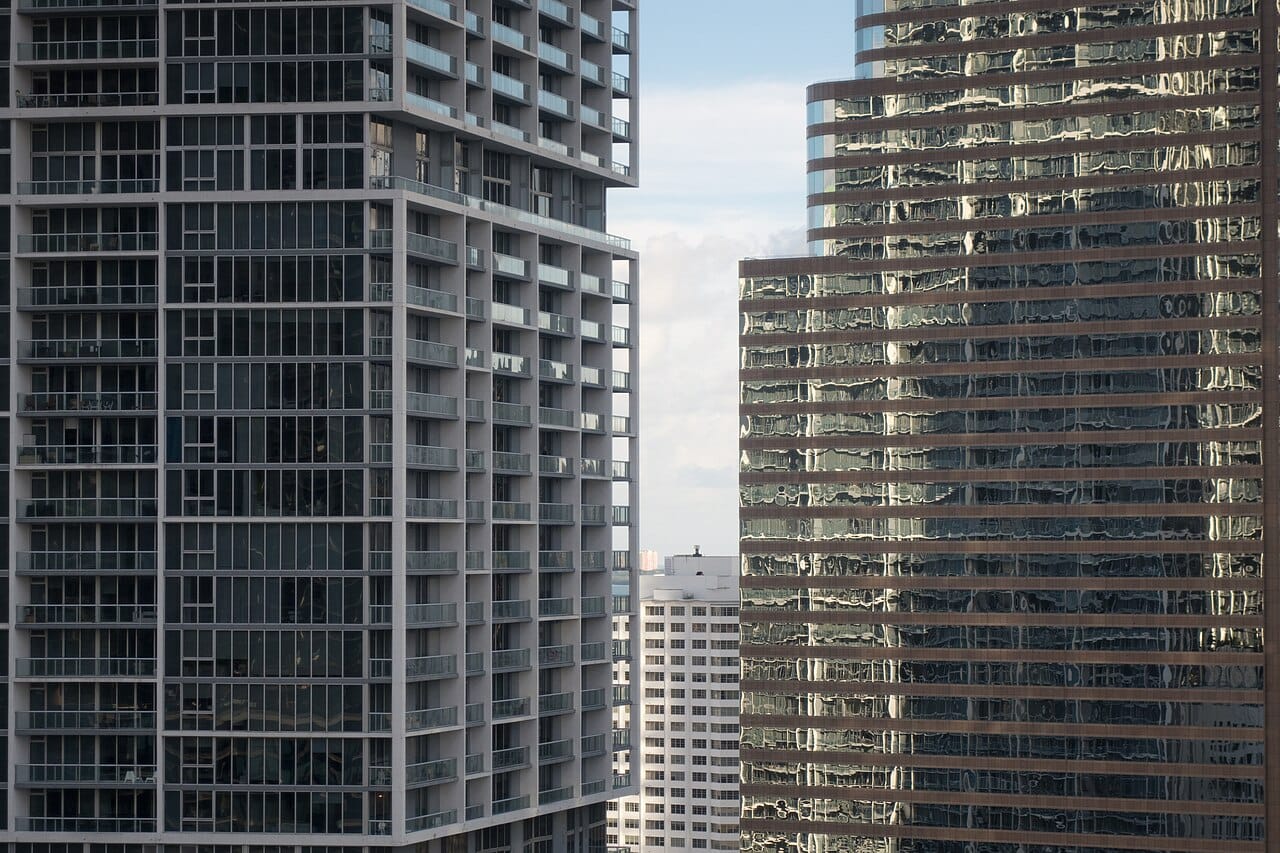
Miami metro condominium inventory rose 48% year-over-year in March as Florida's post-Surfside structural inspection requirements continued to push older-building owners to sell. Active condo listings in the Miami-Dade MLS reached 16,800 at the end of March, up from 11,350 a year earlier, according to the Miami Association of Realtors.
Florida Senate Bill 4-D, enacted in 2022 following the Champlain Towers South collapse, requires buildings three stories or higher to complete milestone structural inspections at the 30-year mark. The law also imposed new reserves funding requirements that took effect at the end of 2024. Associations had until December 31, 2024 to fund reserves for 10 structural items without the option to waive the requirement via unit-owner vote.
"Buildings that had been deferring reserves are now sending assessment notices or raising dues substantially," said Teresa Kinney, CEO of the Miami Association of Realtors. Kinney said roughly 200 Miami-Dade associations issued special assessments exceeding $20,000 per unit during 2025.
The assessment wave has accelerated unit owners' decisions to sell. Redfin data showed 28% of Miami condo listings in March reflected owners who had held the property less than three years, compared with a historical norm of 14%. The median price for closed condo transactions in Miami-Dade fell 3.4% year-over-year to $405,000.
Properties in buildings constructed before 1990 have seen the most pronounced price discounts. The Miami Association of Realtors reported that pre-1990 condo sales priced at an average discount of 8.2% compared with post-1990 peer buildings, after controlling for square footage and location. The discount is wider than the 3.1% recorded in 2022.
Insurance costs compound the pressure. The Condominium Owners Insurance Index compiled by Insurify showed average master-policy premiums per unit in Miami-Dade rose 42% in 2025, and individual unit-owner policies rose 26%. Some carriers have imposed structural certification requirements before binding coverage.
Nonetheless, the condo market has not collapsed. Closed sales in Miami-Dade fell just 6% year-over-year in March, a smaller decline than the listing growth suggests. New-development condo sales in prime Miami Beach, Sunny Isles, and downtown Miami submarkets have held up, supported by international buyers and partial cash transactions.
"The middle-tier, older-building segment is where the real pressure lives," said Ronald Shuffield, CEO of Berkshire Hathaway HomeServices EWM Realty. Shuffield expects the inventory overhang to persist through 2026 but said buildings with updated reserves and compliant structural reports are clearing the market at near-historical pricing.