The Vacant-Unit Winter Trap: How a Burst Pipe in a Turnover Month Becomes an Uninsured Loss
A policy that covers burst pipes can still deny the claim on an empty unit. The DP-1 versus DP-3 gap, the 55°F heat-or-drain condition, the 30 to 60 day vacancy clock and what a burst pipe really costs.
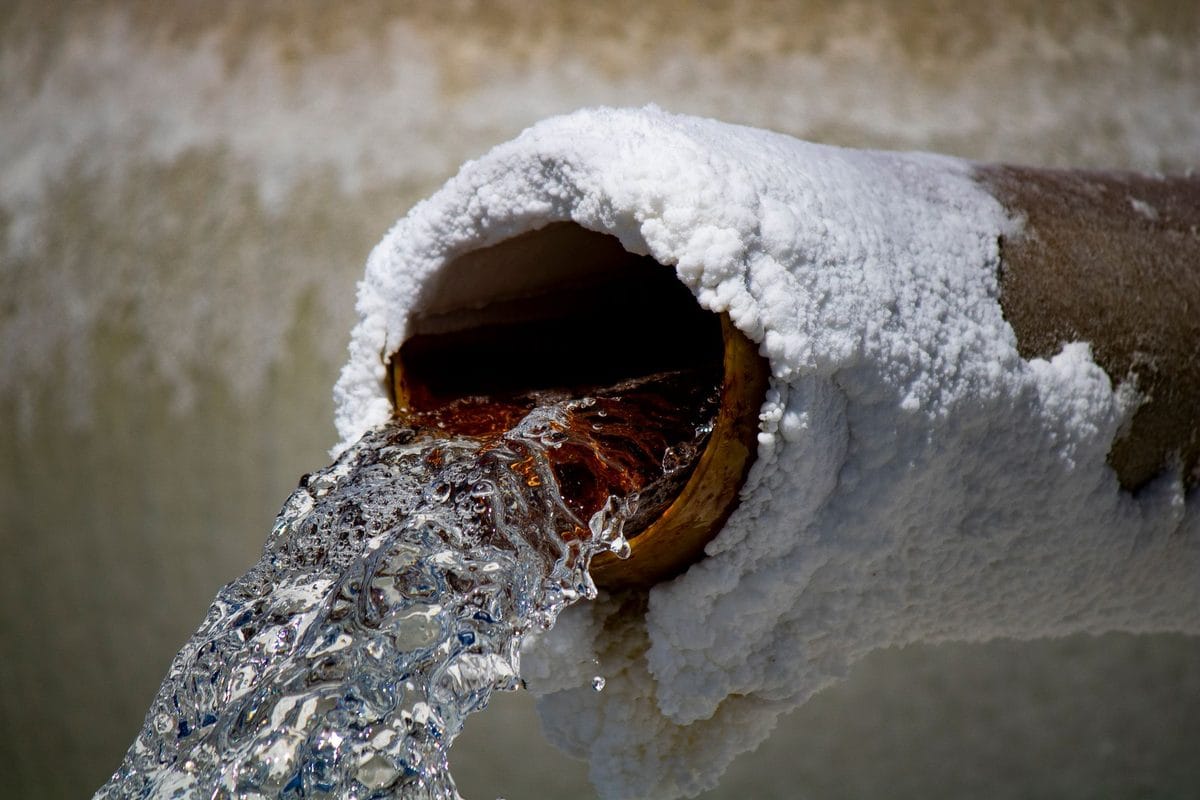
A tenant moves out on the last day of October, the next one is not due until the first week of December, and the thermostat gets turned down to save on the gas bill. Three weeks later a cold snap drops the overnight low below freezing, a supply line in the basement splits, and nobody notices until the neighbor texts about water on the sidewalk. The repair is a plumber's invoice. The claim is another matter, because the policy you have been paying for all year may treat that unit as a vacant property in winter, and vacant is where many landlord claims go to die. For investors with several units, that is not a freak event but a calendar risk that arrives every November.
What a landlord policy actually pays for
Standard landlord policies cover sudden and accidental water damage, according to a guide from Steadily, a landlord insurer. That covers the floors, walls, ceilings and built-in cabinetry, and it usually covers the cost of professional drying and lost rent while the unit is uninhabitable. What surprises many owners is that the pipe itself is almost never covered. The insurer pays for the damage the water caused, not for the plumbing repair, so the $8,000 of flooring and drywall may be covered while the $400 plumber's bill is yours. Steadily estimates that, with the deductible and the pipe repair, a moderate event can still cost an owner $2,000 to $4,000 even with a solid policy. These numbers come from an insurer's own blog, so treat them as an order of magnitude, not a quote.
Before any of that matters, check which form your policy is written on. A DP-3 is an open-peril form, which covers everything that is not specifically excluded, and a sudden burst pipe is in. A DP-1 is a cheaper form that covers only a list of named perils, such as fire, lightning, explosion, windstorm and hail, and water damage is not on the list. If you hold a DP-1 and a pipe bursts, the loss is not covered at all, and the fix is a separately priced water damage endorsement.
| On your declarations page | What it usually means |
|---|---|
| "Dwelling Property 3", "DP-3" or "Special Form" | Open-peril: sudden burst-pipe damage is covered by default |
| "Dwelling Property 1", "DP-1" or "Basic Form" | Named perils only: you need a water damage endorsement |
Pull the declarations page tonight. It takes two minutes, and it is the one document that tells you which column you are in.
The freeze condition most owners never read
Most policies carry a freezing exclusion with a condition attached, and the condition is where claims are denied. If a pipe freezes and bursts while a property is vacant, coverage typically depends on whether you did one of two things: kept the heat on at a minimum temperature, commonly 55°F, for the whole vacancy, or shut off the water supply and drained the pipes and appliances before leaving. Those are the two routes, and failing both is grounds for denial. It does not matter that the cold snap was unexpected, that you planned to re-let the unit next week or that the unit had been occupied all winter until three weeks ago. The question is objective: was the heat maintained, or was the system drained?
From the insurer's side, the logic is easy to see. An owner who turns the heat off in an empty unit to save on utilities has arguably created the conditions for the loss, and the policy does not pay for losses that follow predictably from the owner's own choice. That is why the denial feels unfair and is usually upheld, even when the owner can show that the loss was a one-off. Paper trails help in the other direction: a dated photo of the thermostat at 55°F, or a plumber's invoice for the drain-down, is exactly the evidence an adjuster asks for. The practical answer is cheap: a smart thermostat, which Steadily puts at around $100, set to a temperature floor of 55°F in every unit that can sit empty, with alerts sent to your phone. It is a small expense compared with a single denied claim.
The vacancy clock
Separately from the freeze condition, many policies reduce or exclude coverage once a property has been vacant for a set number of days. The threshold is typically in the range of 30 to 60 days, and it varies by insurer, which is why the word in your own policy matters more than any general rule. Some definitions of vacant also look at whether the unit still has contents and utilities, so a flat that is empty and has the power turned off can hit the clock sooner than one that is simply between tenants. A case summarized by a landlord law firm describes a claim denied because the property had been unoccupied for more than 60 days, and the landlords were left to pay for the damage themselves.
That is the scenario to plan for when a renovation runs long or a unit is slow to re-let: not a sudden disaster but a quiet 61st day. If extended vacancy is part of how you operate, some insurers sell a vacant property endorsement that extends protection, and it is worth asking for a quote before the unit is empty, not after.
What a burst pipe really costs
According to Steadily, the plumbing repair alone runs $500 to $1,500 for a typical burst section, and it is usually the smallest part of the bill. A single-room event with quick detection might cost $2,000 to $5,000 in total. A pipe that ran for hours, or traveled between floors in a multi-story building, can reach $15,000 to $25,000 once structural drying, flooring, drywall, electrical work and mold remediation are added. The same guide warns about second-order costs: premiums that can run 15 to 25 percent higher for three to five years after a paid claim, rent lost while the unit is repaired and tenants who decide not to return.
Add those up and a $100 thermostat looks very cheap. But a thermostat cannot protect a unit if the power goes off during the same storm, and for a long vacancy the more conservative choice is to winterize completely, which means shutting off the water and draining the system. That is a job for a plumber if the building has a boiler, radiant heat or a sprinkler system, because draining it wrongly can cause its own damage.
Occupied units are not safe either
If a tenant is in the unit and a pipe freezes anyway, the question becomes who is responsible. In most states, a lease can require tenants to keep the interior above a minimum temperature in cold weather, and without that clause liability is murky. There is also the delayed-detection problem: a pipe can burst in a utility room in early December and go unnoticed for days if the tenant rarely goes there, which turns a small claim into a large one. At lease signing, put in writing where the main shutoff is, what a frozen pipe sounds and feels like, and that the tenant should report odd noises from the plumbing promptly. A one-page handout is enough.
A turnover-month checklist
- Confirm the policy form (DP-1 or DP-3) and ask your agent, in writing, how the policy defines "vacant" and after how many days coverage changes.
- Install a thermostat with remote alerts in every unit likely to sit empty, and set the floor at 55°F or above.
- Know where each main water shutoff is, and photograph it for the property file so anyone on your team can find it in the dark.
- Add a minimum-temperature clause to your lease template, and send tenants a short winter reminder in November.
- For a unit that will sit empty for more than a few weeks in a cold climate, schedule a full drain-down instead of relying on heat alone.
Buy the endorsement before you need it. Owners who discover the vacancy clause after the loss pay for it in full, and the 61st day does not warn anyone it is coming.