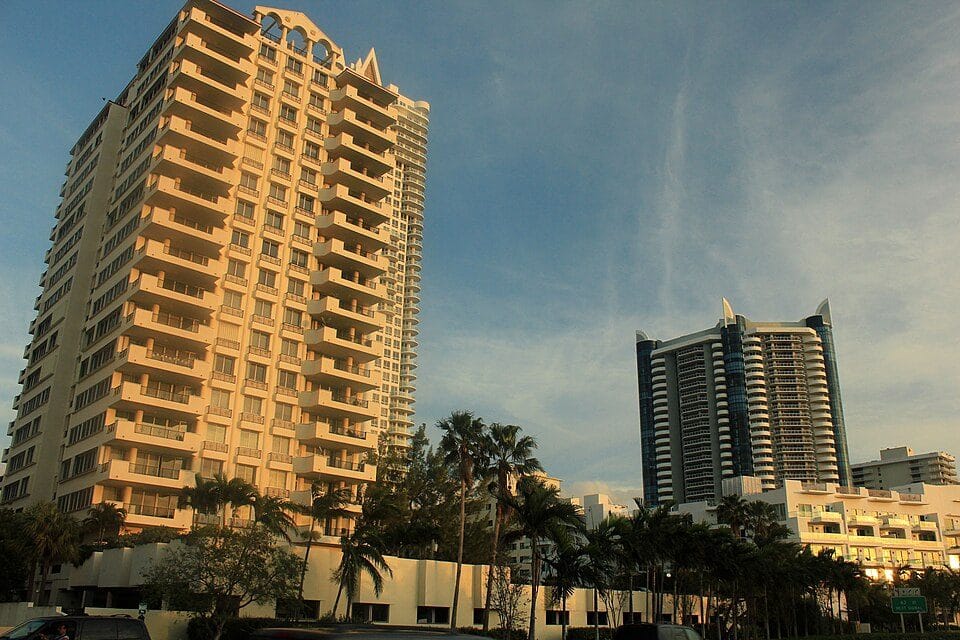
Denise Ferraro found out what she owed three weeks before closing. The one-bedroom in a mid-rise outside Fort Lauderdale had passed inspection, the financing was locked at 6.4%, and the seller's disclosure mentioned nothing unusual. Then the HOA board sent a letter: a special assessment of $38,400 per unit, payable over 24 months, to cover concrete restoration the reserve fund couldn't touch. Her lender's underwriter flagged the building the same week, on a separate track, after the condo questionnaire came back showing reserves funded at 14%. She walked. Her agent said it was the fourth deal that month to die the same way in that ZIP code alone, and none of the four buyers had known to ask before they made an offer.
That story isn't rare anymore, and it isn't really about one collapsing balcony or one under-funded board. It's the tail end of a chain reaction that started in Surfside, Florida, in June 2021, when Champlain Towers South fell and killed 98 people. Florida passed SB 4-D the following year, making Structural Integrity Reserve Studies (SIRS) and milestone inspections mandatory for condo buildings three stories or taller. The compliance deadline for fully funding reserves — no more voting to waive or underfund them — landed December 31, 2024, with a one-year grace window that expired at the end of 2025. Boards that spent two decades kicking the can are now writing the check, and increasingly, so are the owners. Other states watched what happened to Florida's market and moved before they had their own Surfside.
What actually changed on the ground
Before SB 4-D, a Florida condo board could hold an annual vote and simply decide not to fund reserves at full strength — kick 20% into the pot instead of 100%, keep dues low, and defer the concrete work. That option is gone for buildings covered by the law. A SIRS now has to assess load-bearing walls, primary structural members, foundations, roofing, waterproofing, electrical wiring serving common areas, and plumbing — and the association has to budget for full replacement cost on a defined timeline, not a wish-list estimate. Milestone inspections kick in at 30 years of age, or 25 years for buildings within three miles of the coast, and get repeated every 10 years after.
California moved on a parallel track with SB 326 and SB 721, which require structural inspections of exterior elevated elements — balconies, decks, walkways — on buildings with three or more units, first inspection by January 1, 2025, and a new one every nine years. Colorado, Illinois, and Virginia have since introduced or passed their own reserve-study and inspection requirements, mostly aimed at the same failure mode: buildings that deferred maintenance for a generation because raising dues was politically unpopular. None of these laws created the deferred maintenance. They just made hiding it illegal.
Where the money is actually landing
Special assessments of $10,000 to $50,000 per unit are now common in older Florida coastal buildings, and a handful have cleared six figures — one Miami-Dade high-rise levied roughly $170,000 per unit for facade and structural work in 2025. These aren't outliers dreamed up by local news. They're the arithmetic of decades of underfunded reserves meeting a law that no longer allows the underfunding to continue. If a 40-year-old building never set aside more than a token reserve, the entire deficit shows up at once, split across however many units happen to own the place the year the bill comes due.
- Condo insurance premiums in South Florida have climbed 40–60% since 2022 in many buildings, on top of the assessments themselves, as carriers reprice for both storm risk and structural liability
- Citizens Property Insurance Corporation, Florida's state-backed insurer of last resort, has become the only option for a growing number of associations that private carriers won't touch
- Fannie Mae and Freddie Mac now flag a project "ineligible" if reserves sit below 10% of the annual budget or if a required inspection reveals deferred critical repairs — which can freeze mortgage financing for every unit in the building, not just the one being sold
That last point is the one that trips up buyers who think they're just evaluating a unit. You're not. You're buying into a corporation's balance sheet, and if that balance sheet fails a Fannie Mae or Freddie Mac review, your buyer two years from now might not be able to get a conventional loan at all — cash buyers only, at a steep discount.
What to actually pull before you make an offer
Real estate agents in Florida and California have adjusted their contingency language accordingly, but the burden of asking the right questions still falls on the buyer. Request these documents before your inspection period expires, not after:
- The most recent SIRS or reserve study, including the percent-funded figure — anything under 50% funded is a warning sign, under 25% is a near-certain future assessment
- Milestone inspection report and engineer's letter, if the building is old enough to require one
- Minutes from the last three board meetings and the last annual meeting — assessments get discussed months before they're voted on
- Current HOA budget and any line item labeled "special assessment," "capital project," or "concrete restoration"
- The master insurance policy declarations page, so you can see the premium trend and whether the carrier is Citizens or a private insurer
A condo questionnaire — sometimes called a Form 1076 or lender questionnaire — pulls most of this into one document, and most lenders will require it anyway before clearing the loan. Order it yourself, early, rather than waiting for underwriting to surface a problem after you've already paid for the appraisal.
None of this means avoid condos entirely. A building that completed its milestone inspection two years ago, funds reserves at 90%+, and already absorbed its structural work is arguably a safer buy today than it was in 2021 — the surprises are behind it, not ahead of it. The risk isn't concrete. It's opacity: boards that haven't done the study yet, buildings old enough to need one, and sellers whose disclosure amounts to "nothing major that we know of."
Older buildings aren't automatically the bad bet
It's tempting to assume newer construction sidesteps all of this, and mostly it does for the next decade or two — a 2023 build isn't due for its first milestone inspection until the 2040s or 2050s depending on location. But new-build HOAs carry their own version of the same risk: developer-controlled boards sometimes underfund reserves in year one to keep dues attractive during the sales period, then hand control to the owners right as the first big capital item comes due. Ask when the developer turned over board control and what the reserve study looked like the year after that handover — it tells you more than the building's age does.
The bigger shift for 2026 buyers
Timing kills more of these deals than the dollar amount does.
Most transaction failures tied to this issue weren't about the size of the assessment — they were about the buyer finding out at week three of a 30-day close instead of during due diligence, when there's still room to negotiate a credit or walk cleanly. Treat the reserve study and inspection report the way you'd treat a home inspection report on a single-family house: read it before you write the offer, price the risk into your number, and don't assume "the board would have told me" covers you. Boards aren't required to volunteer information you didn't ask for, and plenty of listing agents genuinely don't know what's in a reserve study they've never read either.
The condo market isn't broken by this wave of reserve-funding law. It's being repriced, unevenly, building by building, and the buyers doing well out of it in 2026 are the ones treating the HOA's paperwork as seriously as the unit's square footage.