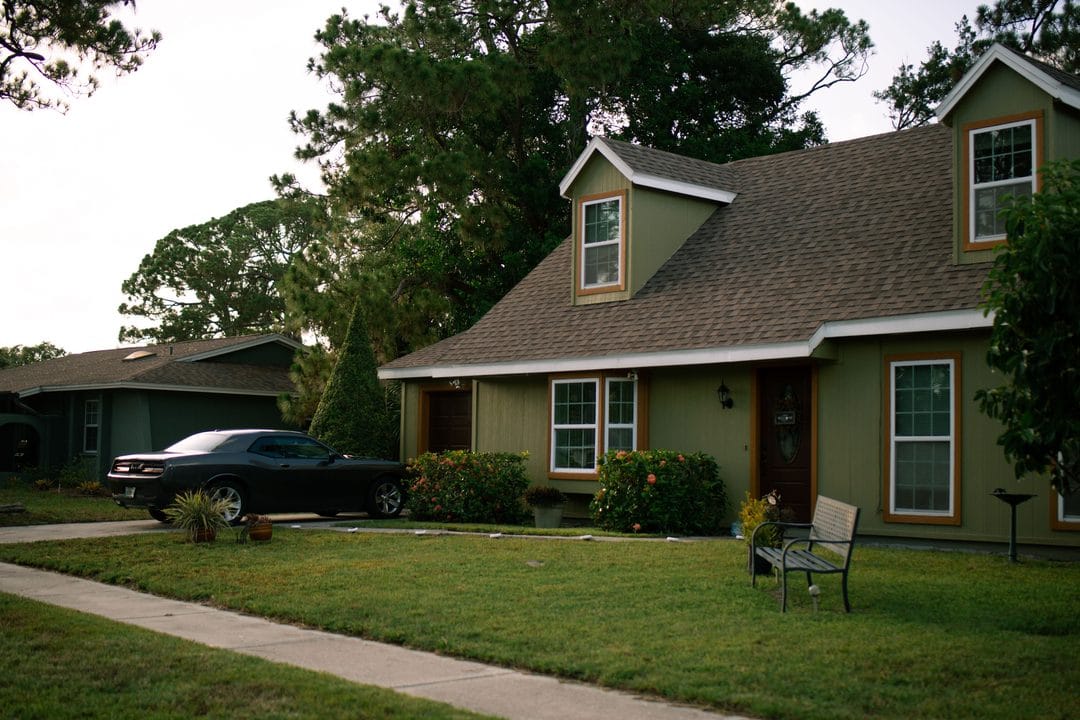
Somewhere between the 2026 refi you didn't do because your rate is 3.375%, and the kitchen you've been putting off for two years, there's a HELOC sitting almost untouched in most homeowners' financial toolkit. Home values have climbed enough over the past few years that a lot of owners are sitting on six figures of equity, and the instinct for most of them is to leave it alone entirely — either out of a vague sense that borrowing against the house is risky, or because they've never actually worked out what a home equity line of credit does that a cash-out refinance doesn't. You've probably had the conversation with a buddy who refinanced his whole mortgage just to pull $40,000 out for a deck, and it likely didn't occur to either of you that he'd just traded a 3% rate for a 6%-plus rate on the entire balance, not just the $40,000. That's the trap most people walk into without meaning to, and it's the reason a HELOC exists as a separate product in the first place — to let you borrow against the house without disturbing the mortgage you're sitting on. Lenders aren't advertising this loudly right now, partly because HELOCs carry thinner margins for the bank than a full refinance does, and partly because most homeowners still default to "refinance" as the only word they know for borrowing against a house. That gap between what's actually available and what people default to asking for is exactly where the money gets left on the table.
The math here isn't complicated, but it does require holding two numbers in your head at once: your existing mortgage rate and what a HELOC actually costs you today. Get that comparison right and a HELOC can fund a renovation, cover a gap, or sit as a rainy-day line without touching the low-rate mortgage you locked in years ago. Get it wrong and you're paying two-year adjustable-rate interest on money you didn't need to borrow at all.
Why a Cash-Out Refi Is the Wrong Tool for Most People Right Now
If you refinanced or bought between 2020 and 2022, there's a real chance your mortgage rate starts with a 2 or a 3. A cash-out refinance replaces that entire loan — not just the amount you want to pull out — at whatever today's rate is, which as of mid-2026 is sitting in the low-to-mid 6% range for a 30-year fixed. Pull $60,000 out of a $400,000 mortgage that way and you're not just paying a higher rate on the $60,000 — you're paying it on the full $460,000 balance for the life of the loan. That's the single most expensive mistake homeowners make when they need cash and default to "just refinance," without running the actual comparison against leaving the first mortgage alone.
How a HELOC Actually Works Instead
A HELOC sits behind your existing mortgage as a second lien and lets you borrow against your equity without touching that first loan's rate at all. Most lenders will go up to 80-85% combined loan-to-value, so on a home worth $500,000 with a $250,000 mortgage balance, you're looking at access to roughly $150,000-$175,000 in credit, depending on the lender's exact ceiling. It works like a credit card during the draw period — typically 10 years — where you borrow, repay, and re-borrow against the same line, then converts to a repayment period, usually 10-20 years, where the balance amortizes and the line closes to new draws. A lot of first-time HELOC borrowers miss that structure entirely and treat the draw period like a lump-sum loan, pulling the full approved amount on day one instead of drawing only what a project actually needs. That habit costs real money, since interest only accrues on what you've actually drawn, not on the full approved line. Think of the approved amount as a ceiling, not a target — the number the bank will lend you and the number you should actually borrow are rarely the same figure.
Rates on a HELOC are variable and currently run roughly prime plus a margin — call it 8-9% as of mid-2026, tied to the Fed funds rate and reset monthly or quarterly depending on the lender. That's meaningfully higher than your locked-in first mortgage rate, and it should be: you're only borrowing the amount you actually need, not refinancing the whole house at the higher rate. Figure that math for your own numbers before assuming a HELOC is automatically cheaper — for a $60,000 draw, 8.5% on just that balance still beats 6.25% on an extra $60,000 stacked onto a $400,000 refi, but the gap narrows fast if the line balance grows.
Where a HELOC Actually Makes Sense
Renovation spending is the obvious one, and it's also the one the IRS still lets you deduct interest on — HELOC interest remains deductible when the funds go toward "buy, build, or substantially improve" the home securing the loan, per the rules that came out of the 2017 Tax Cuts and Jobs Act and are still in effect. A kitchen remodel, a roof, an addition — all qualify. Using the same line to pay off a car loan or fund a vacation doesn't disqualify the whole HELOC, but that portion of the interest stops being deductible, and mixing the two on paper gets messy fast if you ever get audited.
The other underrated use is as a standby emergency line rather than an active balance. Open the HELOC, pay the modest annual fee some lenders charge, and never draw on it unless an actual emergency shows up — a job loss, a medical bill, a business opportunity with a real deadline. That's a genuinely different use case than a renovation draw, and a lot of people who'd benefit from it never open one because they assume a HELOC is only for spending, not for having available.
The Real Risk Nobody Skips Past Fast Enough
Here's the part that gets glossed over in most of the advice online: it's a second lien on your house.
Miss payments on a HELOC and the lender can foreclose, same as with any mortgage — this isn't a credit card where the worst case is a dinged score and a collections call. Borrow against a $500,000 home to fund a $70,000 kitchen and a market correction that drops your home value 10% can leave you closer to underwater on the combined balance than you'd expect, especially if you drew close to that 80-85% combined LTV ceiling. Don't max out the line just because the lender approved it. Draw what the project actually costs, get contractor bids in writing before you draw a dollar, and leave real headroom between what you owe and what the home's actually worth — 15-20% equity cushion at minimum, more if your local market has any history of swinging hard.
Get a written good-faith estimate from at least two lenders — credit unions often beat the big banks on HELOC margins by half a point or more — before signing anything, and confirm whether the rate is truly variable-only or has a fixed-rate conversion option on part of the balance, since several major lenders now offer that hybrid structure. The homeowners doing this well in 2026 aren't avoiding debt entirely — they're using the cheapest available debt for the specific job it's actually suited for, and leaving the 3% mortgage exactly where it is.