Multifamily Cap Rates 2026: Why Sun Belt Apartments Are Finally Repriced — and the Three Markets Still Mispriced
The Sun Belt apartment trade — buy class-A garden-style apartments at 4.5% cap, ride 5-6% rent growth, refinance into permanent debt — broke in 2023. The repricing finally completed in Q2 2026. Three regional markets are still mispriced.
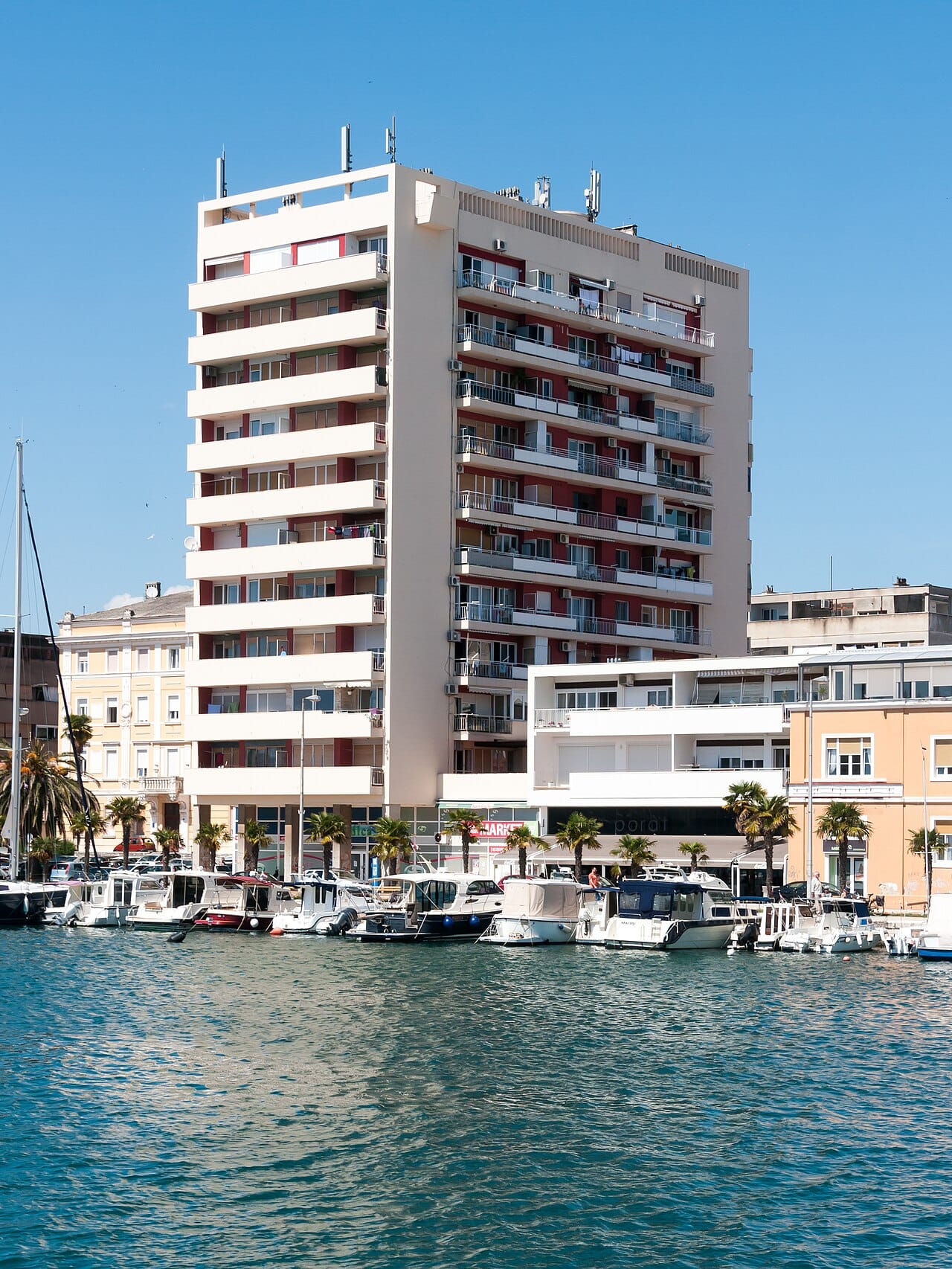
The Sun Belt multifamily trade — buying class-A garden-style apartment communities at 4.5-5.0% cap rates and riding compound rent growth — defined the 2018-2022 era of American real estate investment. It produced more wealth and more spectacular failures than any other strategy in the asset class. The implosion that began in late 2022 finally completed its repricing in Q2 2026. CBRE's May 2026 capital markets report puts class-A Sun Belt multifamily transactions at average 6.4% cap, up 190 bps from the Q3 2022 peak. The repricing is finished. The question is what happens next.
What broke the trade
The Sun Belt apartment trade depended on three things being true simultaneously: floating-rate construction debt below 4.5%, achievable rent growth above 5% annually, and exit-cap stability or compression. By Q4 2022, all three had reversed. Floating-rate construction debt rose to 7-8% (SOFR + 350 bps), rent growth in oversupplied markets like Phoenix, Austin, and Nashville turned negative through 2024, and exit cap rates rose to 5.5-6%. The combined effect was negative equity on properties bought at peak pricing. Approximately $24 billion of Sun Belt multifamily equity was wiped out between 2022 and 2025 — sponsors, LPs, and lenders all absorbing losses.
What the Q2 2026 market actually looks like
Three observable trends in May 2026:
- Class-A garden-style trades at 5.8-6.6% in Phoenix, Austin, Nashville, Charlotte, Raleigh — with Phoenix specifically at the high end given continued absorption challenges.
- Class-B suburban garden at 6.8-7.4% across most secondary Sun Belt markets — workforce housing now trades at meaningful spreads above class-A given the durable demand profile.
- Distressed deal volume tripled from 2024 levels — sponsors capitulating on properties bought in 2021-2022 with floating-rate debt that has now eaten the equity. Most distressed deals are trading at $80-130k per unit against $200-250k peak basis.
The three markets still mispriced
1. Tampa, FL — undervalued at current cap rates
Tampa class-A trades at 6.0% cap in May 2026. Underlying fundamentals are substantially stronger than the cap rate implies: population growth 1.8% (vs. 0.3% national), wage growth 4.2%, supply pipeline now significantly reduced after the 2024-2025 construction completion peak. Forward 18-month rent growth forecast: 3.5-4.5%. At 6.0% cap with 4% rent growth, levered IRR potential is 13-15% — meaningfully above the 9-11% Sun Belt average.
2. Salt Lake City, UT — mispriced low cap on tight supply
SLC class-A trades at 5.7% cap currently — appearing tight relative to broader Sun Belt. The reason: SLC has the second-tightest multifamily supply pipeline in the Sun Belt for 2026-2028, behind only the Inland Empire. Mountain West regulatory friction has constrained construction permitting; demand from tech relocations remains structural. Rent growth forecast 4.5-5.5% through 2027. The "expensive" cap rate is actually appropriate for the underlying fundamentals.
3. Inland Empire (Riverside-San Bernardino), CA — overlooked workforce housing
The Inland Empire's workforce housing — class-B and class-C apartments in San Bernardino, Riverside, and Ontario — trades at 6.8-7.2% cap with 4.2% projected rent growth. The market is overlooked because it doesn't fit the conventional Sun Belt classification, and Southern California regulatory complexity scares less experienced sponsors. For workforce-housing-focused investors with operational expertise, the Inland Empire has the highest risk-adjusted returns in the entire western US in May 2026.
What's now overpriced
Class-A urban Sun Belt high-rises
Class-A urban high-rise multifamily in Austin, Nashville, and Charlotte trades at 5.4-5.7% cap with negative rent growth in 2025 and only mildly positive forecasted growth for 2026. Demand fundamentals for class-A urban product have weakened structurally as work-from-home reduces the wage premium of urban living. Avoid unless basis is meaningfully below peak.
Phoenix garden across the board
Phoenix class-A garden has repriced but underlying conditions haven't normalised. Construction completions through 2026 remain at 2.5x the long-term absorption rate. Rent growth is still negative on a same-store basis in many submarkets. At 6.4% cap, Phoenix garden is fairly priced — but the carry through 2027 is going to be difficult on properties without operational angles to drive NOI.
What the institutional buyers are doing
The largest institutional buyers (Blackstone, BREIT, Greystar GSF, Lone Star) have signalled a shift back to multifamily in late 2025 — Blackstone explicitly increased its multifamily allocation target for 2026 from 18% to 24% of new commitments. Their preferred profile in May 2026:
- Workforce class-B in tight-supply Sun Belt markets (Tampa, Charlotte, Atlanta inner suburbs)
- Newer-construction class-A in strong demand markets where rent has bottomed (Salt Lake City, Denver, Tampa)
- Distressed acquisitions in oversupplied markets at meaningful discounts to replacement cost (selective Phoenix, Austin)
Practical advice for individual investors in May 2026
Three rules of thumb for non-institutional buyers:
- Cap rate should compensate for the next 24 months of operational difficulty, not just the historical norm. Add 50-75 bps to your underwriting target cap to provide margin for negative leverage during transition periods.
- Avoid class-A urban high-rise unless you have a basis advantage — the demand profile has changed structurally and may not return to 2021 levels.
- Workforce class-B is the durable trade — recession-resistant, less supply pipeline competition, and the demand profile is the most stable in any 5-year period.
The 2018-2022 Sun Belt apartment supercycle is over. The 2026-2030 market is normalising into a more traditional cap rate environment where operational skill, market selection, and capital structure discipline matter again. Investors who understand this will produce 11-14% IRRs; investors hunting for the next 24% deal will produce losses.