House Hacking in 2026: Why the FHA Duplex Is Still the Best Entry Move in US Real Estate When Rates Sit at 6.3%
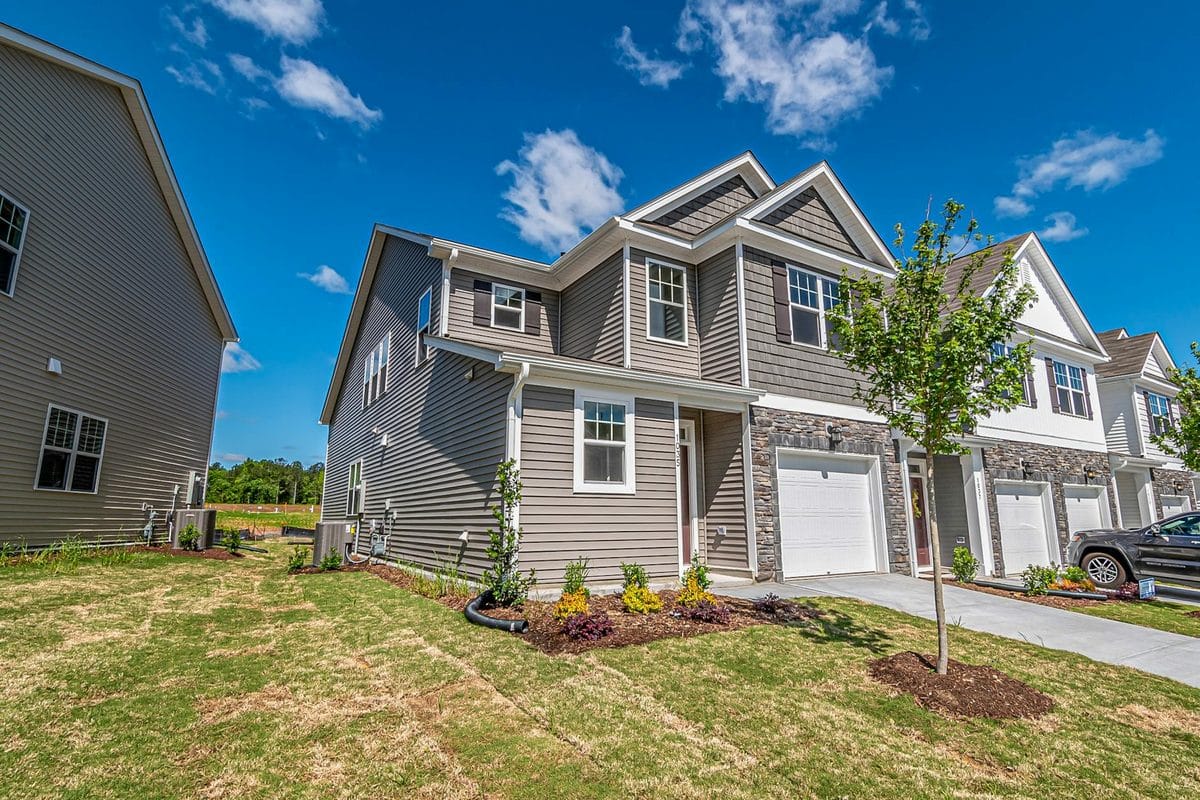
The smartest first move in real estate for a man under forty with a steady W-2 income isn't a single-family starter home and it isn't a stock-market index fund. It's buying a two-to-four-unit property, living in one unit, and renting the others. House hacking has been around for decades, but in the 2026 market — with 30-year rates settling near 6.3% and single-family affordability still brutal in most metros — the math on an owner-occupied duplex quietly beats almost every other entry play available to a normal earner.
The reason is structural and it has a name: the FHA loan. A primary-residence FHA mortgage lets you buy up to a four-unit building with as little as 3.5% down, the same rate you'd get on a single-family house, and you're allowed to do it on a property where tenants cover most or all of your mortgage. No investor financing on earth comes close. The catch — and there's always one — is that you have to actually live there, and most people who talk themselves out of house hacking do so because they don't want a tenant on the other side of the wall.
Why the numbers work in a 6.3% market
Run a realistic example. A solid duplex in a Midwest or Southeast metro — think Columbus, Kansas City, Indianapolis, the cheaper end of the Carolinas — runs somewhere around $350,000 in mid-2026. At 3.5% down that's about $12,250 out of pocket plus closing costs, financing roughly $338,000 at 6.3% on a 30-year note. Your principal and interest land near $2,090 a month, and with taxes, insurance and FHA mortgage insurance the all-in payment sits around $2,650.
Now rent the other unit. A comparable rental side in those markets pulls $1,300–$1,600 a month. Suddenly your true housing cost is roughly $1,050–$1,350 — less than you'd pay to rent a one-bedroom apartment in the same city, and you're the one building equity. That's the entire trick. You're not trying to get rich on month one. You're cutting your largest monthly expense by half or more while a tenant pays down your loan and the asset appreciates underneath you.
What the rules actually let you do
A few specifics that change the math and that buyers routinely get wrong:
- FHA on a 2-4 unit requires the property to pass a self-sufficiency test on three- and four-unit buildings — the projected rents must cover the full payment. Duplexes are exempt from that test, which is part of why the duplex is the cleanest entry point.
- Lenders will count a portion of the expected rental income — typically 75% of market rent on the units you won't occupy — toward qualifying you for the loan. That's how a buyer who couldn't qualify for a $350,000 single-family house qualifies for a $350,000 duplex.
- You must occupy the property for at least one year. After that you can move out, keep it as a pure rental, and do the whole thing again on a new FHA loan — the strategy people call "stack and repeat".
- FHA mortgage insurance on loans with under 10% down now runs for the life of the loan, so plan to refinance into a conventional loan once you've built 20% equity, rather than carrying that premium forever.
That refinance step is the one most house-hackers forget to plan for, and it's where a chunk of the long-term return lives. Buy with FHA for the low down payment, then refinance out of the mortgage insurance once appreciation and paydown get you to 20%.
The part that's actually hard
The financing is the easy half. Being a landlord who lives twenty feet from his tenant is the half that filters out most people, and it should be said plainly: it is not passive, and it is not always pleasant. The water heater fails on a Sunday. The tenant pays late. Someone's dog barks through your one quiet evening of the week. If you're not willing to screen tenants properly, hold a security deposit, and have an uncomfortable conversation about rent when it's owed, the dream turns into a part-time job you resent.
Screen hard and the rest mostly takes care of itself. Pull credit, verify income at three times the rent, call the previous landlord — not the current one, who may just want them gone — and trust the pattern over the person's charm. A bad tenant in the unit attached to yours is a uniquely miserable problem, and the entire defense against it happens before they sign, not after.
Where this beats the alternatives, and where it doesn't
Against renting, house hacking wins almost every time for someone planning to stay put a few years — you're converting dead rent into equity and slashing your monthly cost simultaneously. Against buying a single-family starter home, it wins for most first-timers because a tenant is subsidizing the same mortgage. Against pure investing — buying a rental you don't live in — it wins on financing alone, because you'll never again get 3.5% down at owner-occupant rates on an income property.
Where it falls down: high-cost coastal metros where duplex prices push past $800,000 and rents still don't cover enough of the payment, and any situation where you'll need to move within a year and can't satisfy the occupancy rule. For a man with a stable income, a tolerance for being a hands-on landlord, and three to five years in one city ahead of him, though, there is no cleaner first rung on the ladder in 2026. The barrier was never the strategy. It's whether you're willing to share a wall.